Ston and Mali Ston travel guide
Historic fortified towns linked by 14th century wall - miniature Dubrovnik. Restaurants, cafes, history and a wall walk. Renowned for oysters
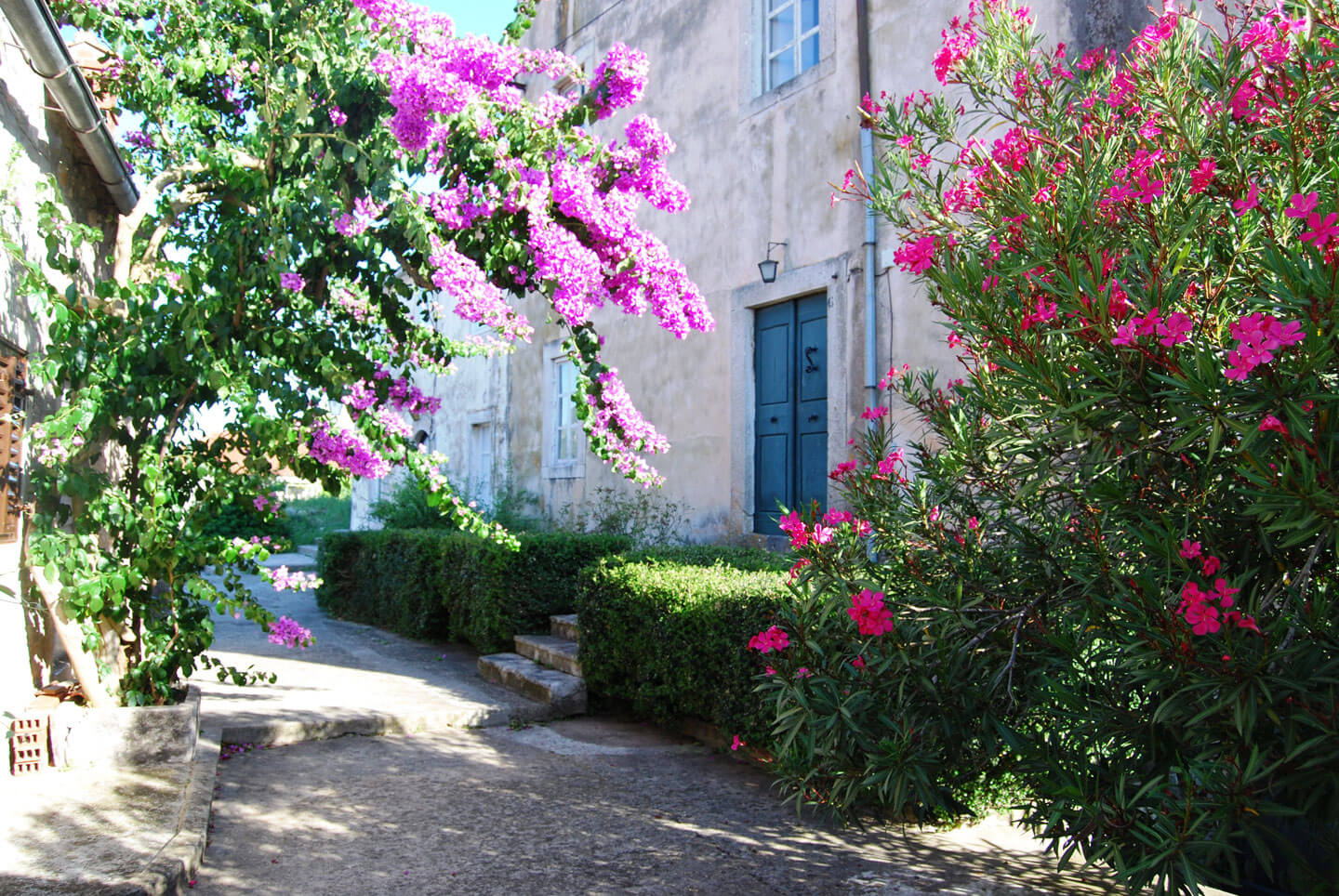
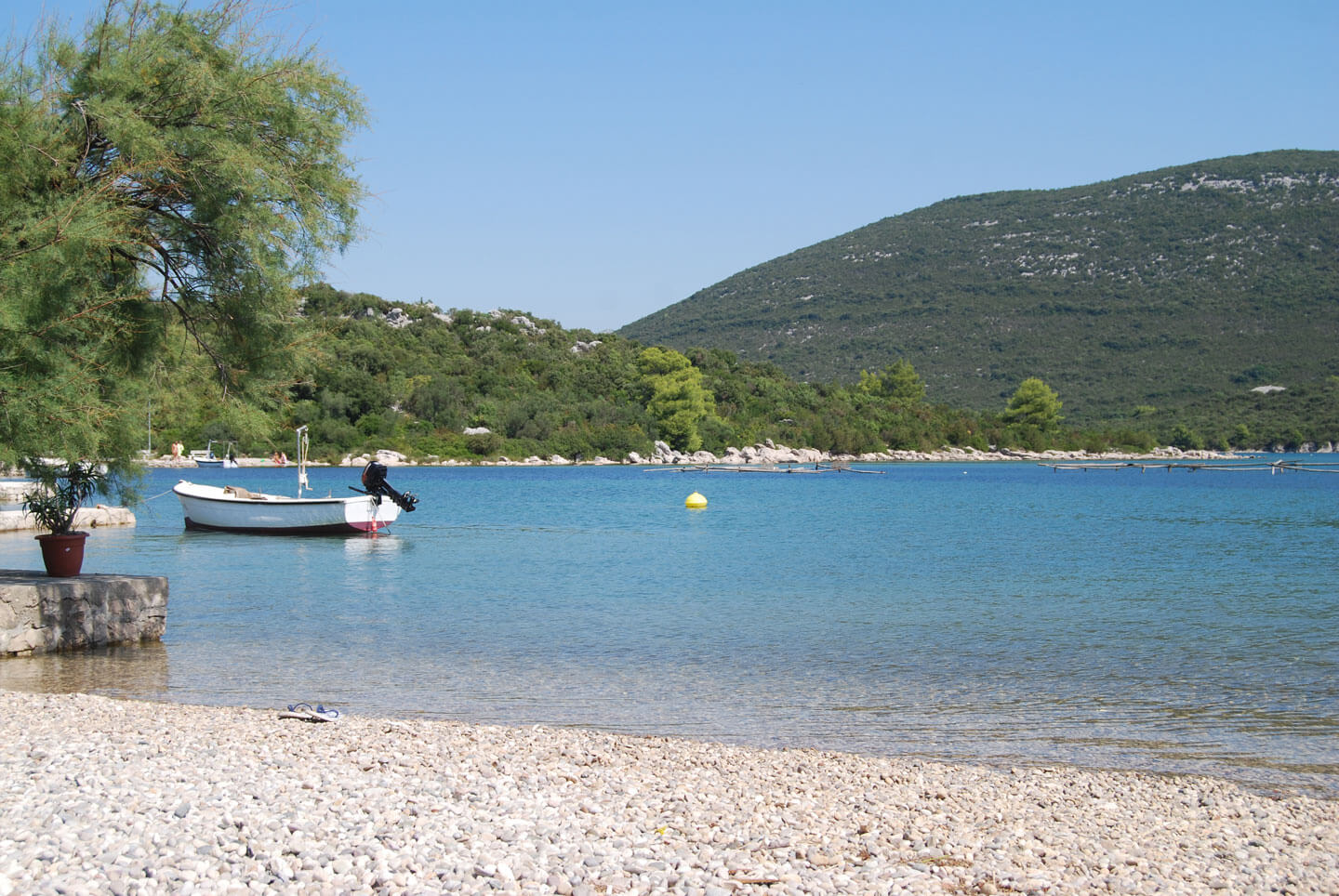
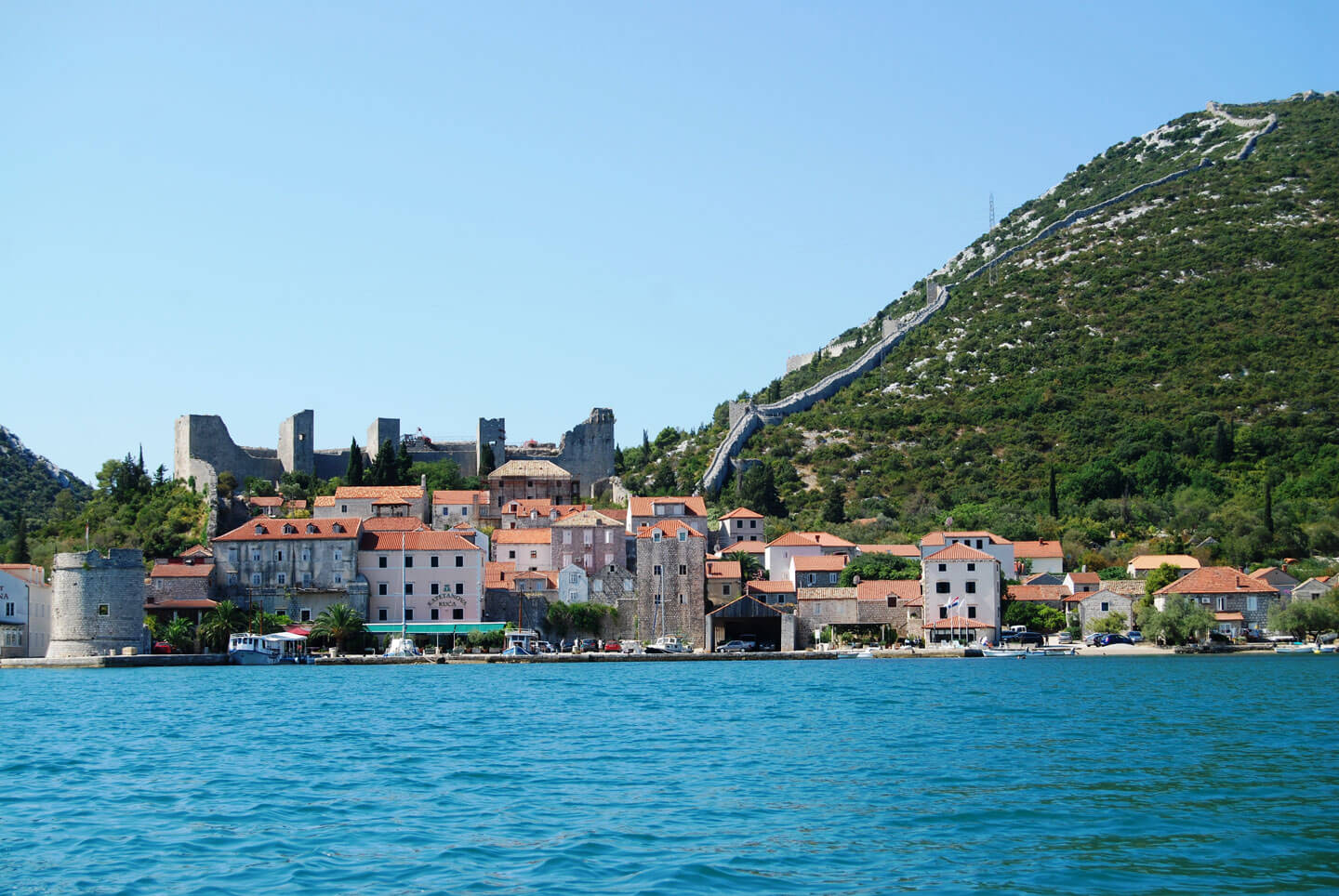
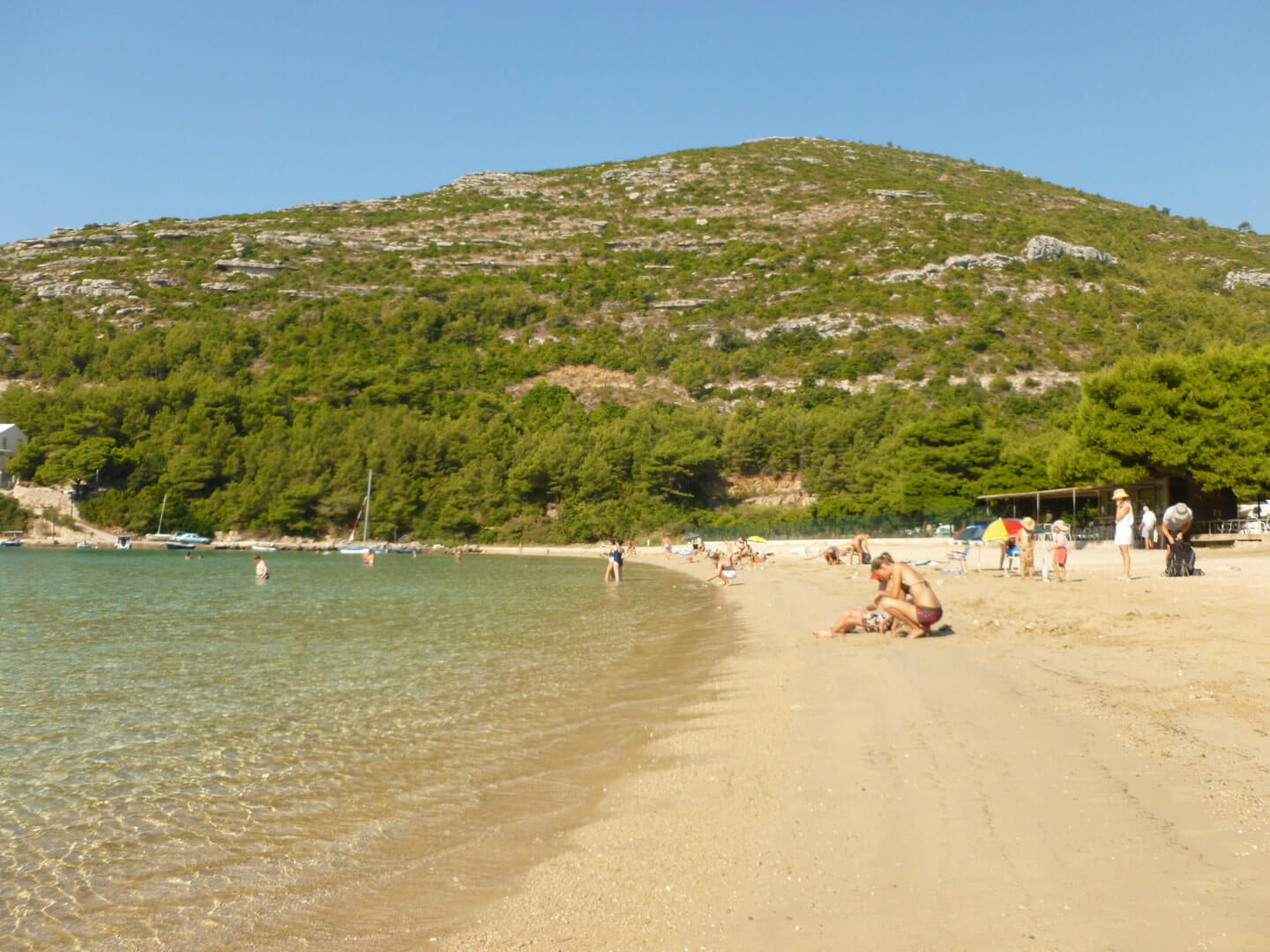
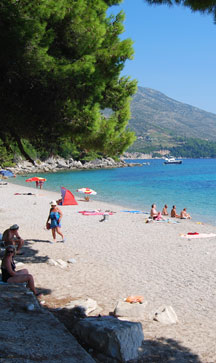
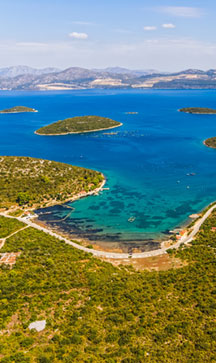
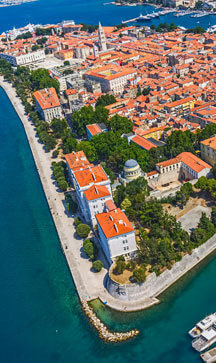
The picturesque town of Ston with its small sister town of Mali Ston are picturesque fortified medieval towns standing either end of the narrow isthmus that joins the Peljesac peninsula to the mainland. Rich in history they are places of culinary excellence and several renowned seafood restaurants are there. Prapratno Cove, close to Ston, provides one of the finest sandy beaches in Croatia.
Dubrovnik is within 40 minutes drive down the spectacular coast road. The Dubrovnik Republic acquired control over
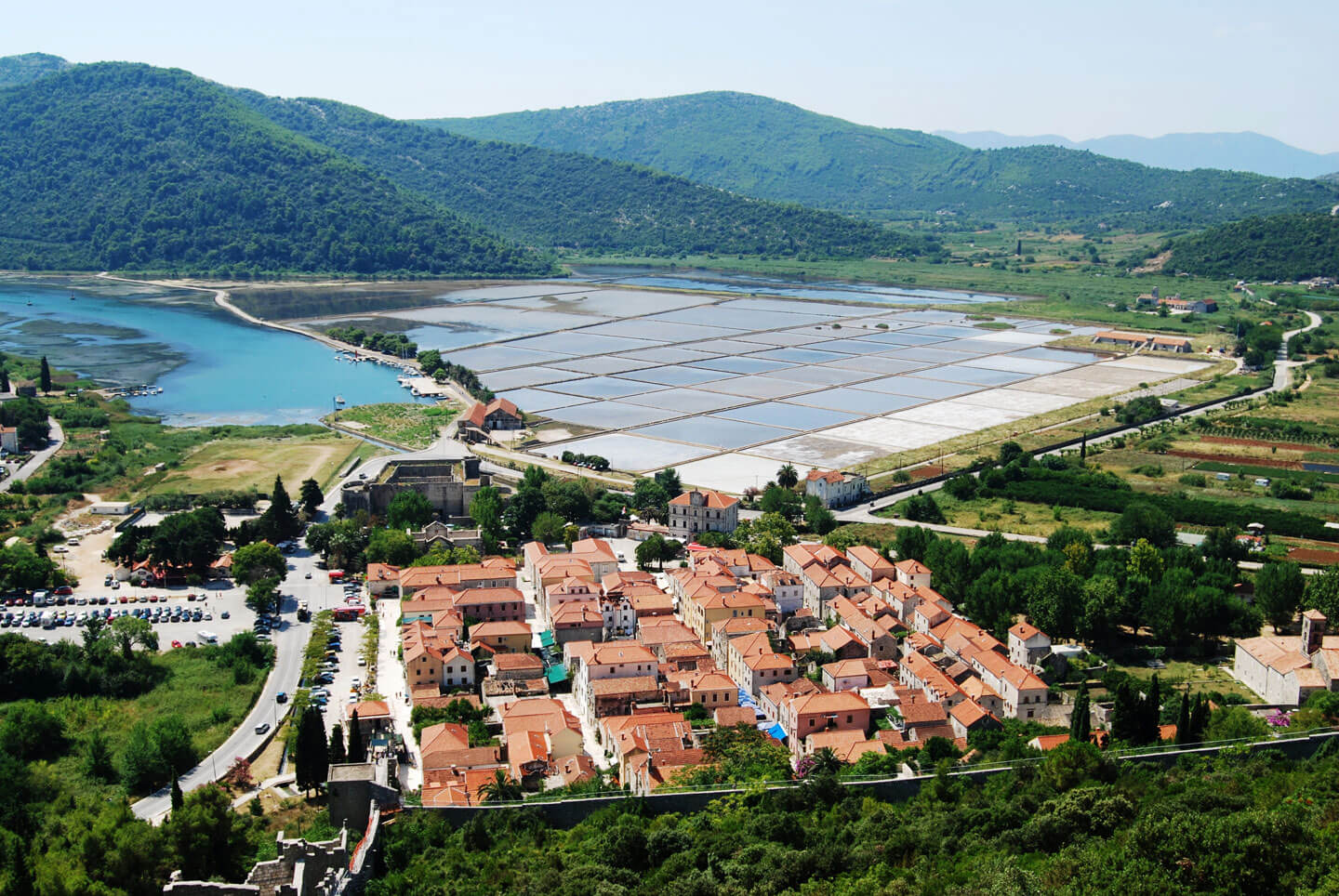
Peljesac in 1333 and proceeded to construct massive fortifications in the form of a 5.5 kilometre wall spanning the isthmus and circling the towns of Ston and Mali Ston that stood on the coast at either end of the wall. The wall was built between 1336 and 1358 and is considered to be the longest defensive wall in Europe.
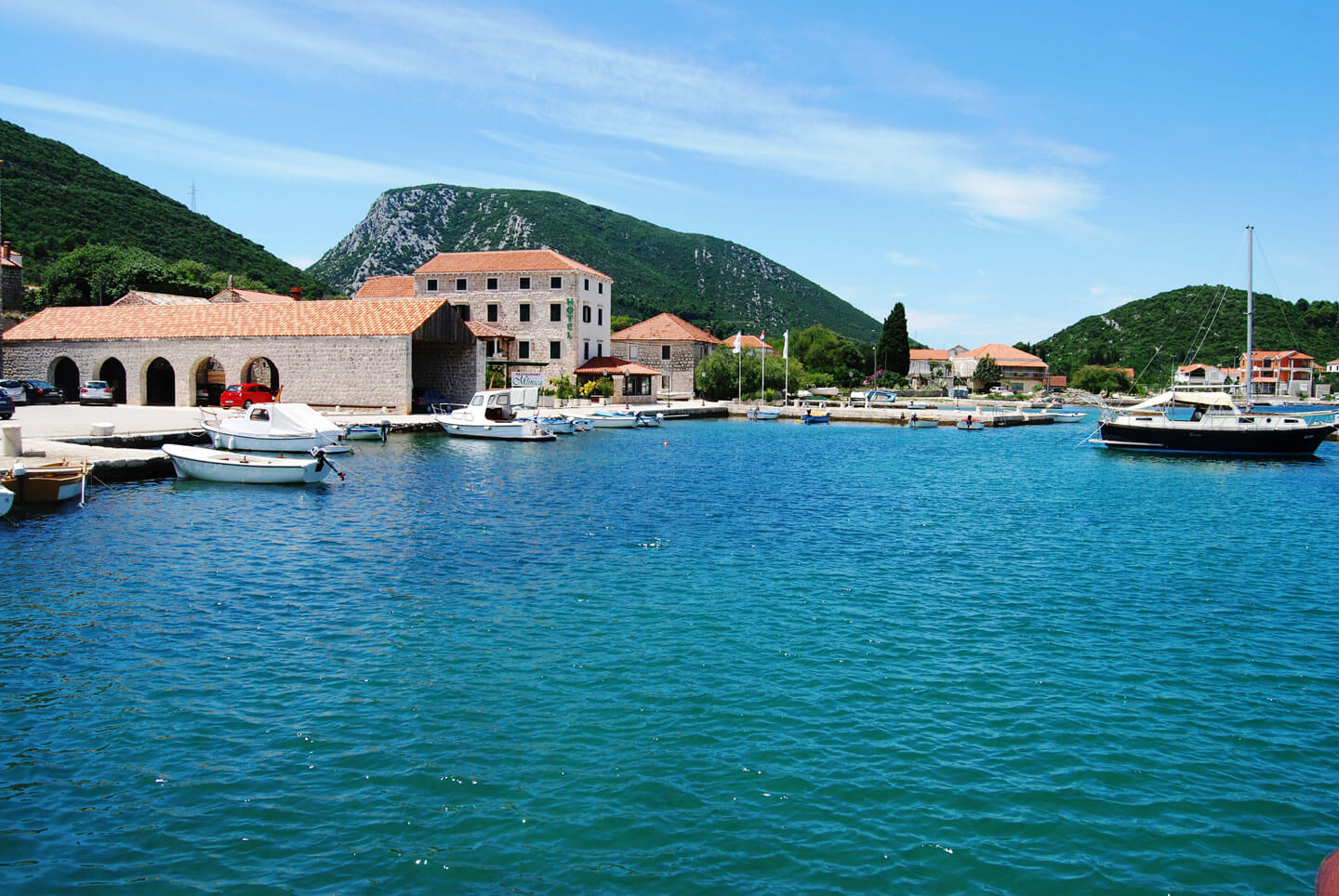
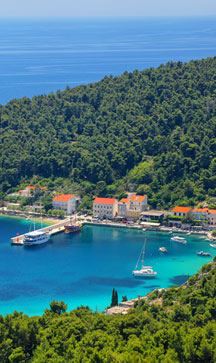
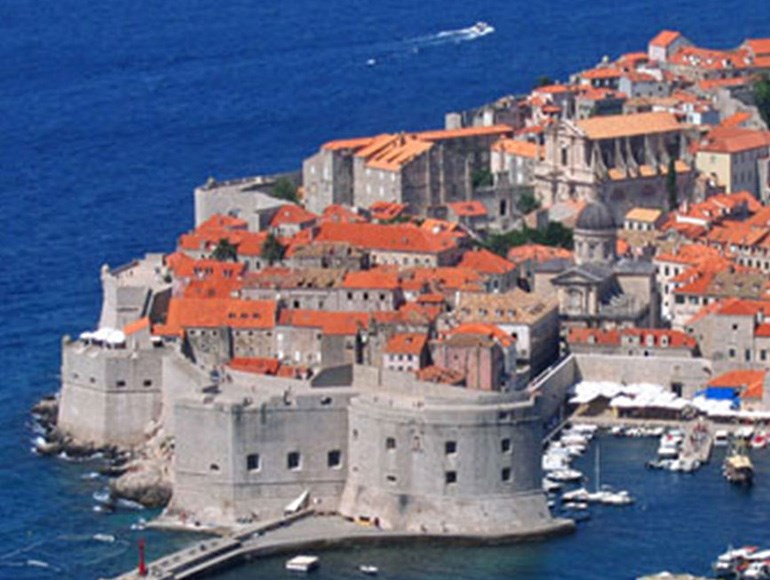
Above Mali Ston and forming part of the town's fortification stands the impressive five-towered castle, Koruna. Mali Ston itself is laid out in terraces rising up the hillside and overlooking the sheltered harbour with its landmark circular Toljevac Tower built in 1478. Just across the isthmus lies Ston, laid out to a grid plan in the 14th century, the town is reminiscent of
Dubrovnik and contains some fine public buildings dating from the 15th and 16th centuries. The ancient wall has been restored and is open to the public. The walk from Ston to Mali Ston provides wonderful views of the coastline and towns below. The salt pans at Ston, still operating today, are estimated to have generated two thirds of the Dubrovnik Republic's revenue in the 14th century. Nearby the small community of Broce, reached by a causeway running beside the Ston channel, was established in 1349 and has historic buildings and a delightful beach.
Eating out
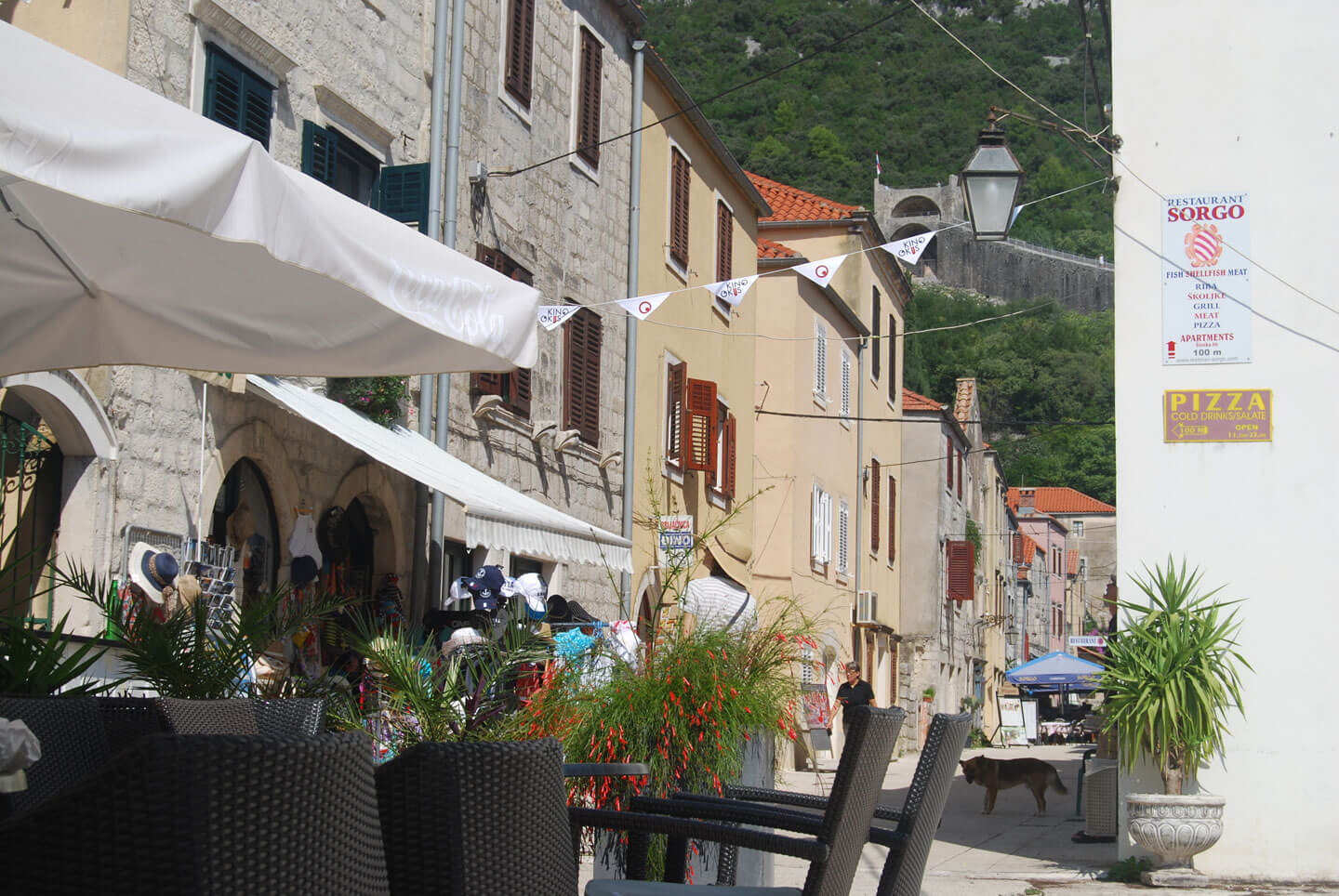
Ston and Mali Ston are places of culinary excellence. There are renowned seafood restaurants, notably Bota Sare (occupying and old salt warehouse) and Kapetanova Kuca (Captain's House), on the seafront of Mali Ston. The town is famous for its oysters harvested from the local oyster beds. You can sample the excellent local white wine, Posip, and two great reds: Dingac and Postup.
Beaches
There are beaches at Mali Ston and Broce while Prapratno Cove, close to Ston, provides one of the finest sandy beaches in Croatia. The
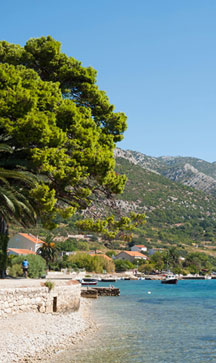
Peljesac peninsula contains some of the very best beaches that can be found on the Adriatic. A 30 minute drive up the peninsula will take you to the delightful village of Zuljana. The village houses front a small harbour and sandy beach which offers excellent swimming against a spectacular backdrop of woodland and mountains.
Ston and Mali Ston Gallery
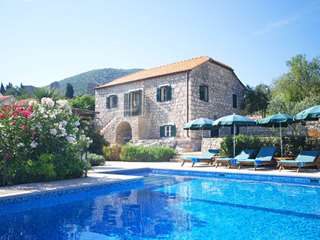 Villa Mimosa
Ston and Mali Ston, Dubrovnik Region
Gorgeous stone villa full of charm and character in one of the prettiest places, only 30 seconds to the beach
3 Bedrooms / Sleeps: 6 + 2
from 1900 € / week
Villa Mimosa
Ston and Mali Ston, Dubrovnik Region
Gorgeous stone villa full of charm and character in one of the prettiest places, only 30 seconds to the beach
3 Bedrooms / Sleeps: 6 + 2
from 1900 € / week
 Villa Katarina
Ston and Mali Ston, Dubrovnik Region
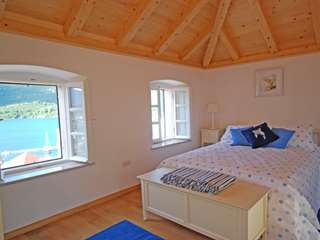
Pretty two double bedroom, two bathroom villa, panoramic sea view, two minutes' walk to the sea
2 Bedrooms / Sleeps: 4
from 900 € / week
Villa Katarina
Ston and Mali Ston, Dubrovnik Region
Pretty two double bedroom, two bathroom villa, panoramic sea view, two minutes' walk to the sea
2 Bedrooms / Sleeps: 4
from 900 € / week
 Villa Salome
near Ston and Mali Ston, Dubrovnik Region
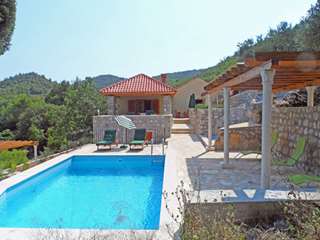
This old stone farmhouse is now a happy and spacious holiday home just a few minutes from the beach
5 Bedrooms / Sleeps: 10
from 1351 € / week
Villa Salome
near Ston and Mali Ston, Dubrovnik Region
This old stone farmhouse is now a happy and spacious holiday home just a few minutes from the beach
5 Bedrooms / Sleeps: 10
from 1351 € / week
 Dubrovnik Beach Retreat
near Ston and Mali Ston, Dubrovnik Region
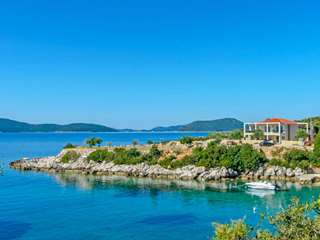
Dubrovnik villa in sublime location on private beach, large pool, great indoor and outdoor spaces
5 Bedrooms / Sleeps: 11
from 3066 € / week
Dubrovnik Beach Retreat
near Ston and Mali Ston, Dubrovnik Region
Dubrovnik villa in sublime location on private beach, large pool, great indoor and outdoor spaces
5 Bedrooms / Sleeps: 11
from 3066 € / week
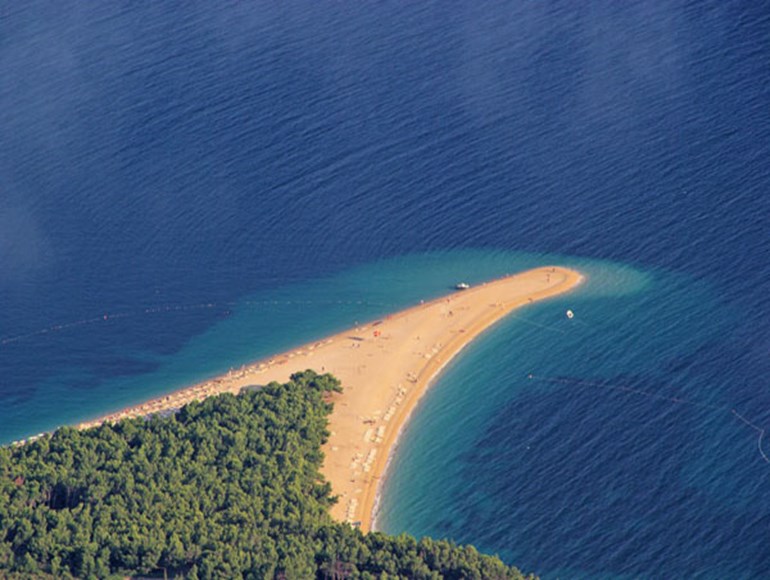 Croatia's beaches - six of the best
Things to do
Croatia's beaches - six of the best
Things to do
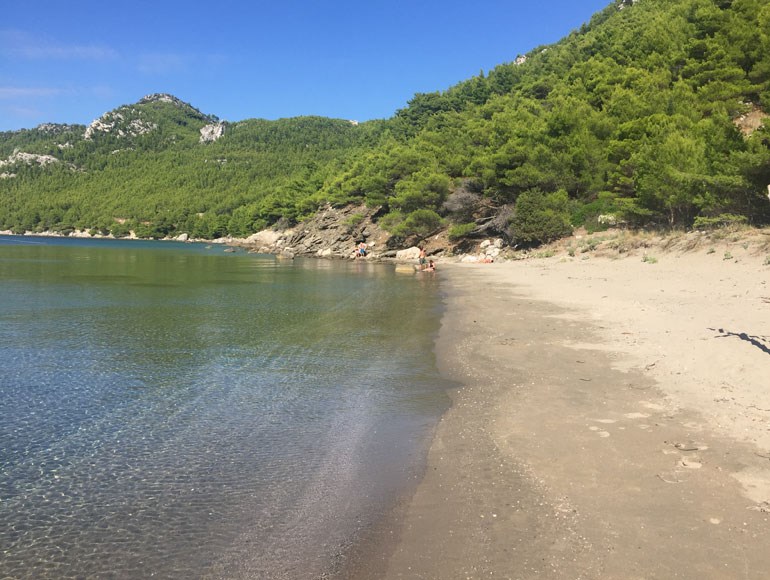 Wild swimming and secret beaches in Croatia
Places to visit
Wild swimming and secret beaches in Croatia
Places to visit
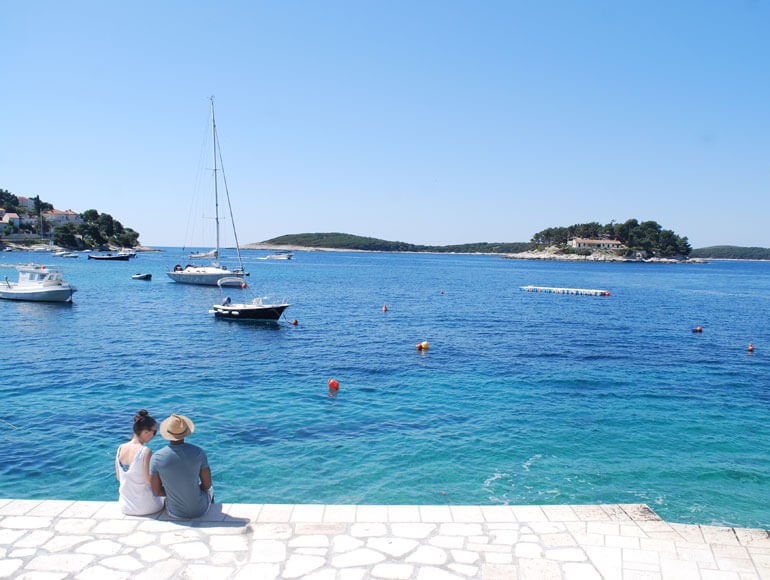 The best places to propose in Croatia
Things to do
The best places to propose in Croatia
Things to do
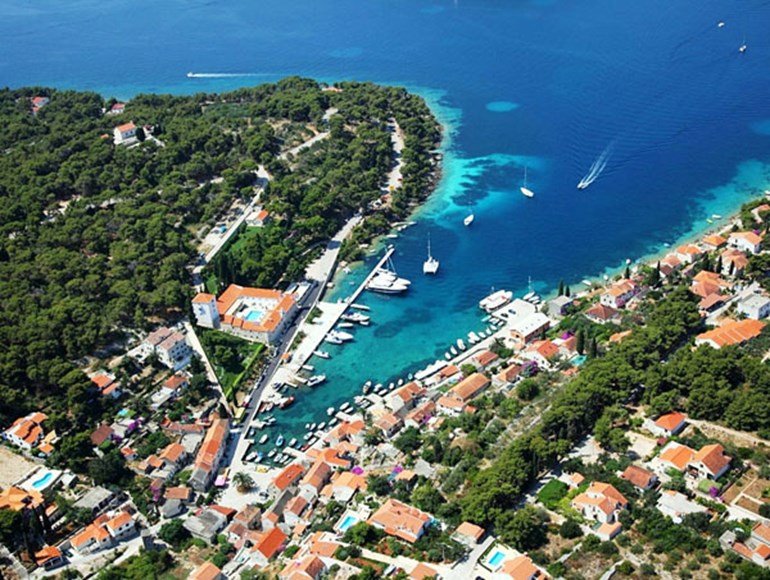 Boat trips to the Dalmatian islands - Live the dream
Places to visit
Boat trips to the Dalmatian islands - Live the dream
Places to visit
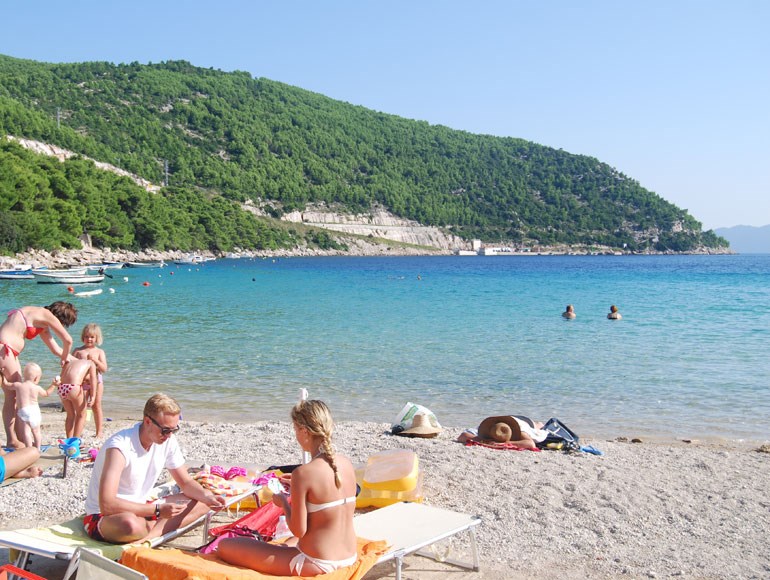 Safe family holiday destinations for 2017
Things to do
Safe family holiday destinations for 2017
Things to do
 Top 5 Dubrovnik attractions